March 16th, 2009 — 11:11 am
周二我们去了圆天服饰有限公司。一切顺利。
我们同他们的总经理蒋小姐取得了联系,她对《棉花之路》的拍摄很感兴趣,非常热情地接待了我们。
她让我印象深刻。从参加工作到现在,蒋小姐半生的职业生涯全都同棉花紧紧联系着。她曾经在国营的纱厂纺过纱,裁制过衣服,后来有自己开服装厂,现在做得蛮不错的。她说,很多原来那个国营棉纱厂的同事也跟着她一起出来做了。不求赚多少钱,主要是有个自己喜欢的事情做,公司规模不算太大,大家就像个大家庭一样。她说她爱自己的工作,喜欢和这些布料打交道。
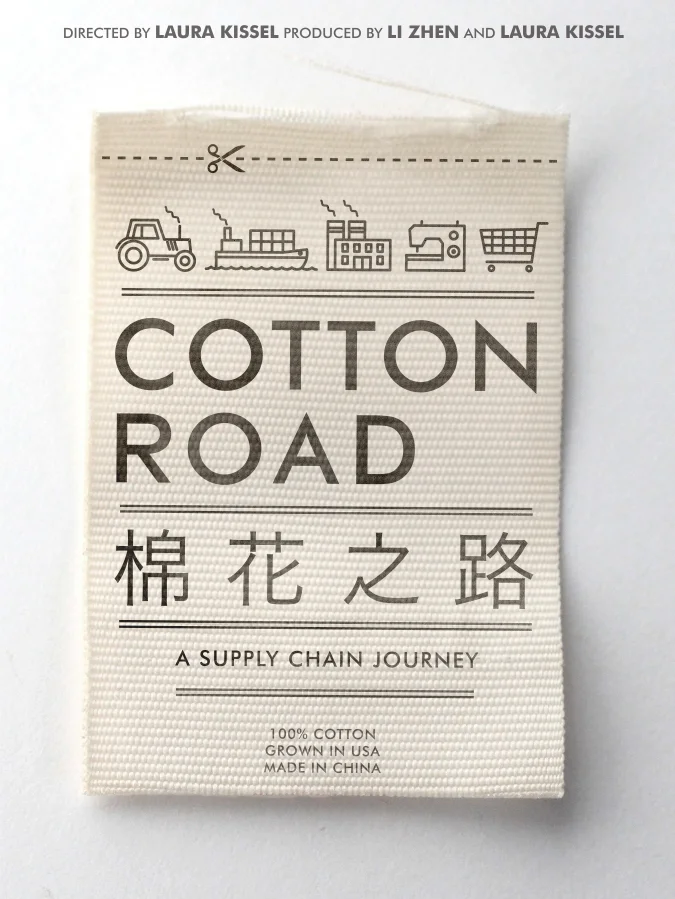
棉纺业在计划经济时代的中国无疑是国家经营,随着市场经济的实践,私人、外资接入棉纺行业的各个领域,行业格局发生了深刻的变化。而这种变化虽然不是我们电影的主要部分,但相信也必定是故事背景折射出一个重要方面。
服装厂里工作的大多是外地的民工,而且大多是女孩子。她们看到我们的摄像机,往往都是既新奇,又害羞的表情。
我很喜欢这个地方,虽然还很陌生,但是这里的人似乎都原因愿意分享她们的故事。
而这,也只是我们棉花之路的一小段旅程而已。我开始感到这部影片背后涉及的各种不同而丰富的现实层面,一边担心也一边思考着,我们需要反映所有的侧面吗?每一个小分支的故事我们要走多远才算足够又不会过火?
Comment » | Chinese language, cotton road movie
February 23rd, 2009 — 01:55 am
第一次见到柯瑞嘉觉得这跟我印象中的纪录片导演有着十分的不相同。一个那么温文谦和,看上去柔柔弱弱的女子,怎么也不像顶着烈日在棉花地里跟农民兄弟一起流汗的下力棒。然而她那既热情又不会过火的标准的微笑,就让人不自觉得就很亲近,很愿意为她效劳,无怪击哥第一面见下便对我说,这样的人能成事。
再说我,之前我没有真的拍过电影。第一次触电是大学毕业时候为了纪念我们的青葱岁月拍的一个仅仅几分钟的小东西,称不上电影,更像是一篇小小的散文;第二次是前一学期的作业,一个无聊的会议新闻节目。因此,棉花之路的体验对我来说是全新的。
基于对柯瑞嘉愉快的第一印象,以及我对拍摄纪录片的好奇与兴趣,我对棉花之路的拍摄充满期待。
周五我们去了宁波,如柯同学所记,我们那天还是颇有收获,也鉴于她的记叙以及甚为详细,我就不再累述了。
小柯对我很信任,谢谢她。因此,我更觉得需要改进的是:多做点功课,我应该了解一些基本的技术知识,多学点专业的棉花纺织类词汇,免得跟柯同学交流时候很难将一些技术性的东西准确解释。
明天,不,是今天,我们又要去新的地方联系新的工作,希望一切顺利。
Comment » | Chinese language, Ningbo
February 6th, 2009 — 10:44 am
纪录片 are the characters for documentary film. All have the fourth tone; the pinyin is ji lu pian. I have know the pinyin for a while, but I didn’t look up the characters until today. I think the characters 纪录片 have a meaning that appeals to both the poetic, imaginative and the factual, “evidentiary” aspects of documentary.
The first character - 纪 - means to remember.** The second character - 录 – means to record. The third character is what is called a measure word, a word used with an object to classify it. Here, the character 片 denotes a flat or thin thing, or things that are in slices. I like the duplicity of the meaning of slice here: to slice a film could mean to “cut”; each frame is also a “slice”, or element, of time (24 frames per second; or 29.97 fps, etc). Another way that 片 is used is to define expanses or stretches of ocean, fog, mist; it can also reference atmosphere or moods. These meanings of 片 are all perfect in defining the documentary. Documentary is expansive; it is an allusive mode as well as a factual one. When I’m making a documentary I often feel like I am in a giant fog, feeling my way through a misty landscape; I rarely know what’s right around the corner. Whether or not the completed documentary captures this state, it certainly feels “atmospheric” (i.e., emotional, aesthetic) to be in the process of producing one.
**Note! Thank you to Ge Laoshi, who provided a correction to the above. 片 here is a shortened form of 影片 yingpian, which means “to film”. So the use of 片 is less a measure word in this context than it is a shortened version of “to film”. Also, “to remember” is actually 记 and not 纪; 纪 means “to record” something in writing, especially history. So the meaning of 纪录片 is similar to “document(ary)” in the sense of making a record. Even so, I like the poetry of my original post (albeit not exactly true), and I continue to like the definition of documentary as a creative treatment of actuality. (2-10-09)
Comment » | Chinese language, documentary